







When was the last time you were accommodated?
If you have to think back to your last flight or hotel stay, some changes are in order.
Or you may think paperwork, HR, and formal requests when you hear “accommodations.”
But the most powerful small ADHD accommodations I’ve ever made are tiny, practically Invisible, and they’re just-for-me. Sometimes, you have to accommodate yourself.
Living with ADHD (or just trying to function with it) means bumping into friction all day long. It’s mental clutter, forgotten laundry, remembered random thoughts, and so much that makes life just hard.
So I’ve built a few tiny workarounds, and it’s not to be productive per se. These small ADHD accommodations help me breathe easier, and I’m done gatekeeping them because you deserve ease.
Here are the little accommodations that help me move through the day with less stress, even when my brain is virtually running on empty.
The Small ADHD Accommodations That Actually Help Me
1. I keep things where I actually use them instead of where they “should” go.
This is an “obvious” change that I made, and you can make *today*. Put your things where you regularly use them, not where tradition says they should go (!)
For example, if I brush my hair in the living room, the brush lives in the living room without me feeling guilty or weird. I don’t tell myself that it “belongs in the bathroom.”
My brain doesn’t care where it belongs because it only cares about where it’s actually useful.
2. I let visual reminders exist, whether they are messy or not.
As someone with bona fide adult ADHD, I still have issues with object permanence. This also translates to my schedule and just about everything else.
If I can’t see it, I will forget it. So I leave my meds out, keep open baskets, and leave sticky notes around like I’m communicating with a past version of myself.
I’m not trying to be tidy, I’m trying to be effective.
3. I reduce steps anytime I can.
I can’t do things that require a lot of steps. Maybe I’m broken, but it’s true.
If something requires five steps, my brain clocks it as a full afternoon’s worth of work. So I cut it down as much as possible to get myself to actually do things.
I’ve gotten tactical to help solve this issue. I keep trash cans in every room. I have multiple laundry baskets throughout my home. And so on.
4. I allow duplicates of essentials.
If I use something all the time or I love it, I buy multiples. It’s not wasteful (in my eyes), it’s practical and convenient.
Yes, I own four phone chargers. Yes, I have six pairs of tweezers. And I do this because I don’t want to hunt for them when I need them.
“Efficiency” is owning extras and not wasting time or brain cells trying to remember where the one perfect version went.
RELATED: How to Shower With ADHD (When You Really Don’t Want To)
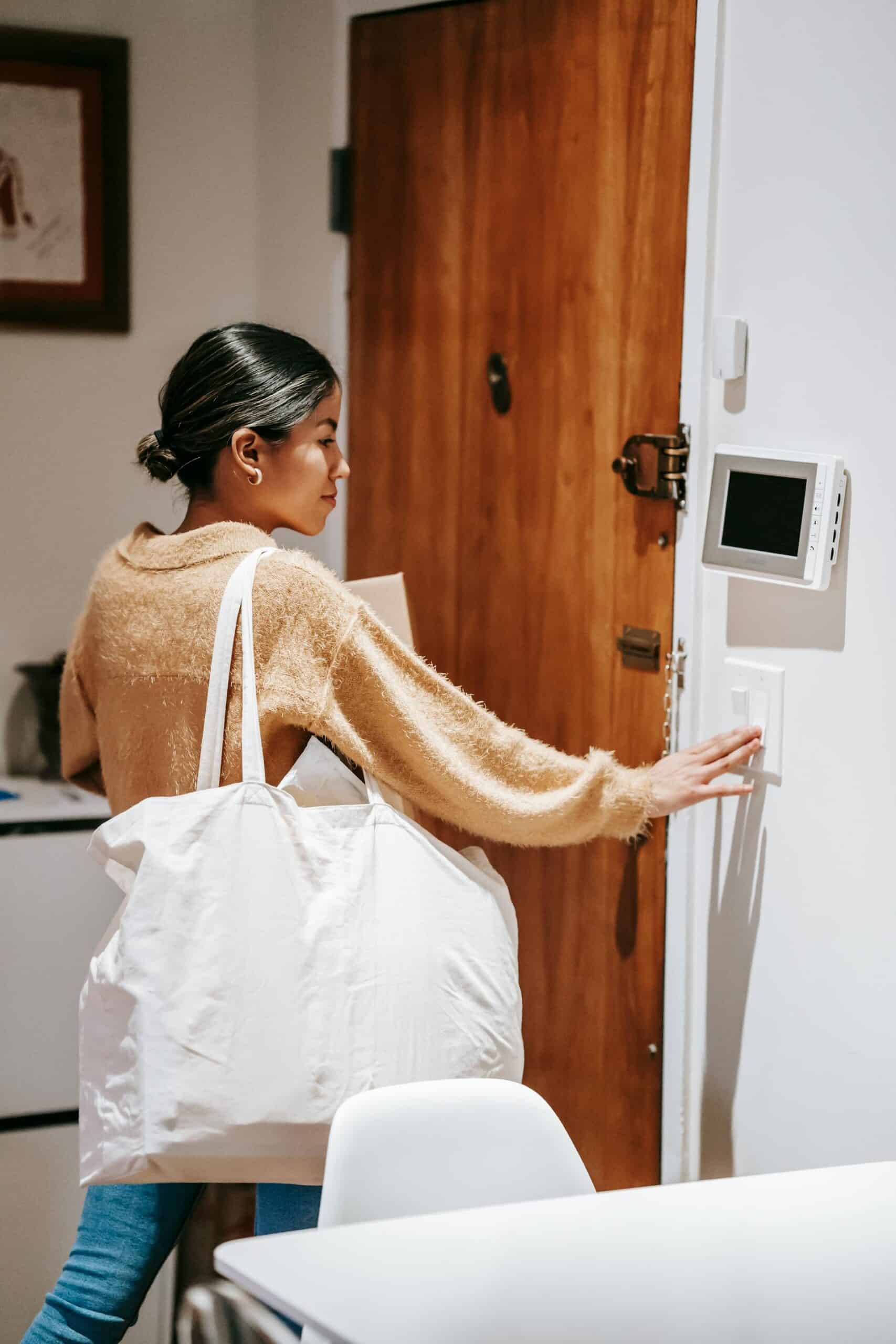
5. I create “drop zones” instead of fighting clutter.
This is one of the small ADHD accommodations that helps me know where important things are when I need them. Or it lease helps me to know where to look.
I keep my keys in *one* spot. My mail always goes on the kitchen counter in the same place.
I even have a basket for the weird pile of stuff I don’t know what to do with yet, so that things are contained and easy to find.
6. Comfort isn’t a reward; it’s a must.
I used to use comfort as a reward or something I could only enjoy if and when I did certain things.
Now, one of my non-negotiable ADHD accommodations is that comfort comes first.
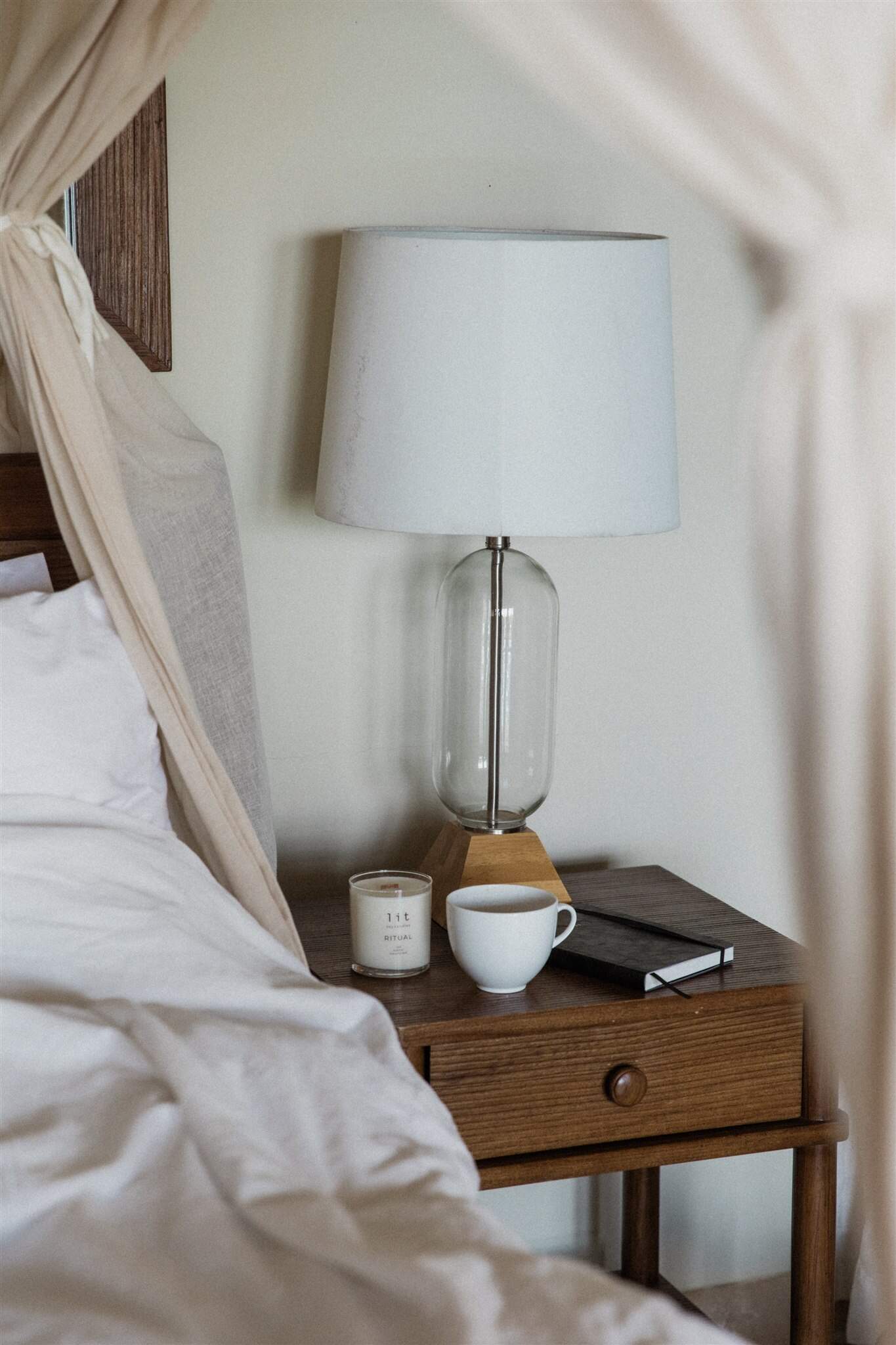
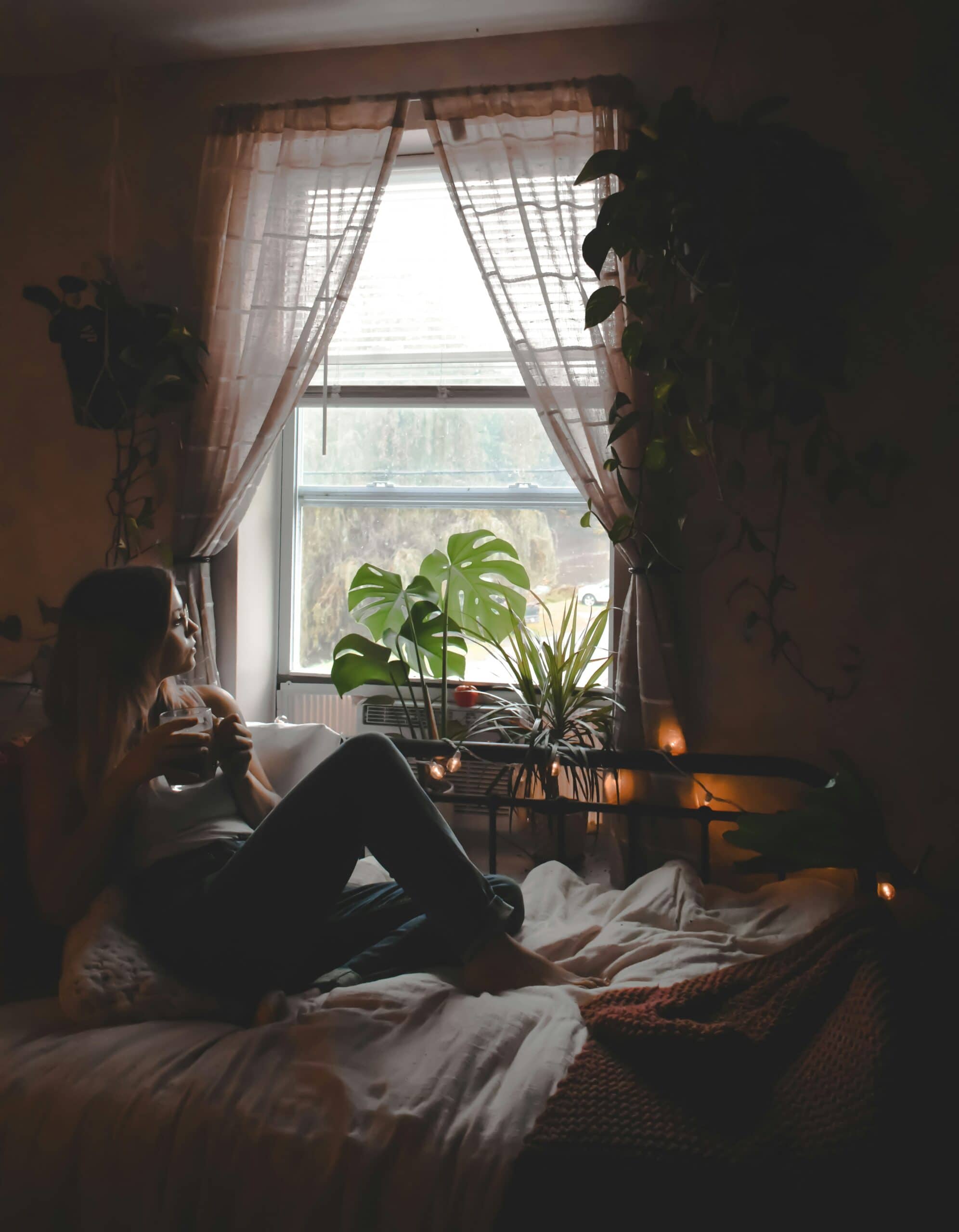
This includes cozy clothes, soft lighting, warm socks, and anything else that makes me the most comfortable. I’ve learned that if I feel physically better, I function better, which is worth it to me.
7. “Done enough” is my new standard.
As a recovering perfectionist *and* workaholic, I could yap until this time next year about how I’ve worked myself to the bone trying to get things “just right.”
Now, “done enough” is my motto because perfect is unattainable, and ultimately not worth it.
I wiped the counter, or most of it. The dishes are almost completely done. The laundry got moved, but it didn’t get folded. All of this is fine. Perfect has left the building.
8. I build routines around energy, not time.
Over time, I have clocked that I have the most energy about 30 minutes after I wake up, and it lasts 2 – 3 hours depending on the day.
Knowing this about myself has helped to fight disappointment and get *so* much more done. You should figure out when your energy peaks and dips to do the same.
Since I don’t usually have energy during the rest of the day, I do “important” things when my body’s ready, and I don’t beat myself up if the afternoon slump hits at 2 p.m.
9. I quit forcing systems that fight back.
If a system feels like a daily battle, it’s not a system that I even try to include in my life. Rather than sending myself on a guilt trip, I walk away, tweak it, or toss it entirely.
I’m working on eliminating “shoulds” from my life and vocabulary, and it’s been one of the most surprisingly helpful of my small ADHD accommodations.
RELATED: The ADHD Bare Minimum Day: What Still Counts
Why These Tiny ADHD Accommodations Matter
These small changes might not seem like much, but for ADHD brains, they can mean everything.
Accommodating your habits and behaviors can mean so much less friction as you move through your days.
You’ll stop asking why things are so hard and find that you have more willpower and energy saved for the things that matter to you, like keeping yourself fed and remembering where you parked.
The Takeaway: Make Things Easier on Yourself, Always
My post-ADHD diagnosis life got so much easier when I realized that I don’t need a permission slip to change how my life or home works.
The same is true for you. If something, like these small ADHD accommodations, helps you function or brings you comfort, it counts. It counts double if it reduces your stress or lowers your mental load.
Sometimes the best thing we can do for ourselves isn’t to push harder. It’s accommodating your own needs and ensuring that your day-to-day is as smooth as you need it to be.



You don’t need permission to make life easier.



Real-Life
Work in Progress.
Founder. Writer.
Roxy is the creator of The Everyday Flourish, a relatable personal growth blog for women who are tired of burnout, chaos, and hustle culture.
A recovering overthinker and unofficial life guinea pig, she shares honest self-care strategies, ADHD-friendly productivity tips, and mindset shifts that actually feel doable.
Around here, personal growth comes with grace, not pressure - and a lot fewer to-do lists.